Home / Services / Crawl Space Insulation
Moisture first, then insulation
Crawl Space Insulation in Springfield, Missouri
A crawl space is the part of the house nobody looks at and everybody feels. Cold floors, musty air and high humidity upstairs usually start down here.
Why a Crawl Space Is a Moisture Job Before It Is an Insulation Job
Air moves upward through a house. Whatever is in the crawl space air does not stay in the crawl space — a meaningful share of the air you breathe in the rooms above started down there. So if the crawl space is damp, the house is damp, and no amount of insulation in the floor above will fix the smell or the humidity.
That is why we assess water before we quote material. Standing water, a failed vapour barrier on the ground, grading that sends rainwater toward the foundation, a leaking supply line, uninsulated ducts sweating in summer humidity. Any of those has to be addressed first, or the insulation is being installed into the problem.
The Rim Joist Is the Biggest Single Win
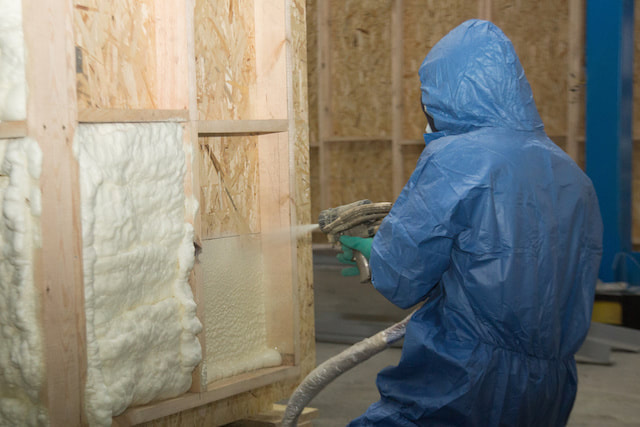
If we could only do one thing in a crawl space, it would be the rim joist, also called the band joist. It is the strip where the floor framing meets the foundation, and it is typically a long row of air leaks straight to outside, often with a batt stuffed in front of it doing almost nothing. A few inches of closed cell foam there air seals and insulates in one pass, and it is the step homeowners most often tell us they could feel.
Encapsulation Versus Insulating the Floor
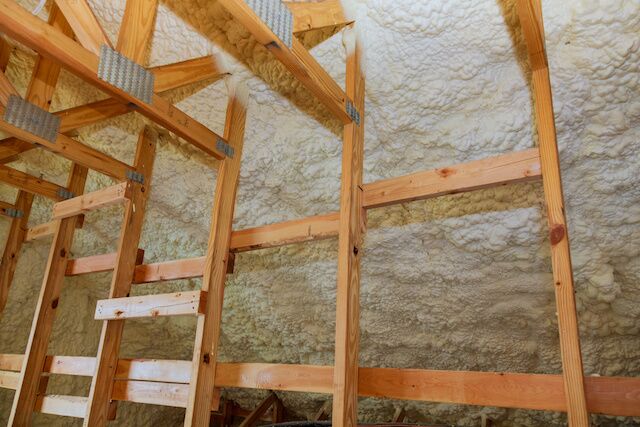
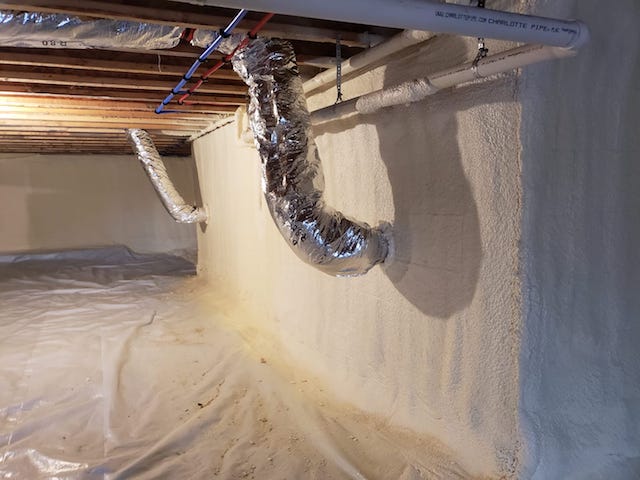
Insulating the floor above the crawl space leaves the crawl space itself outside the envelope — still humid, still cold, with your ducts and pipes in it. Encapsulation instead seals and insulates the crawl space walls and the ground plane, bringing the whole volume inside the conditioned envelope. It costs more and it solves more. We will quote both where both are genuinely viable and explain which one addresses the symptom you actually called about.
Describe what you are seeing down there: call (417) 815-4045 or request a free estimate.
Closed Cell Only, Down Here
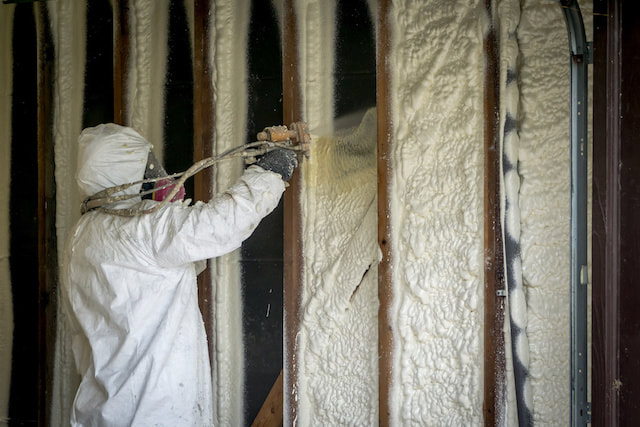
Below grade we specify closed cell foam and nothing else. It is vapour-closed, it does not absorb and hold water, and it keeps performing in an environment that would ruin an open cell or fiberglass installation. Putting a water-absorbing material against a foundation wall is a failure waiting for a wet spring.
We also leave the required inspection access and keep foam clear of anything that must stay visible or serviceable, including gas lines, clean-outs and termite inspection strips. A crawl space you cannot inspect is not an improvement.
How it runs
The order the work happens in
Water and air assessment
We look for bulk water, ground moisture, grading, duct condensation and the actual air leakage paths before discussing any material.
Clear and prepare
Debris and failed material come out. Any sagging batts, torn ground sheeting or rodent-damaged insulation is removed rather than covered over.
Seal the leaks
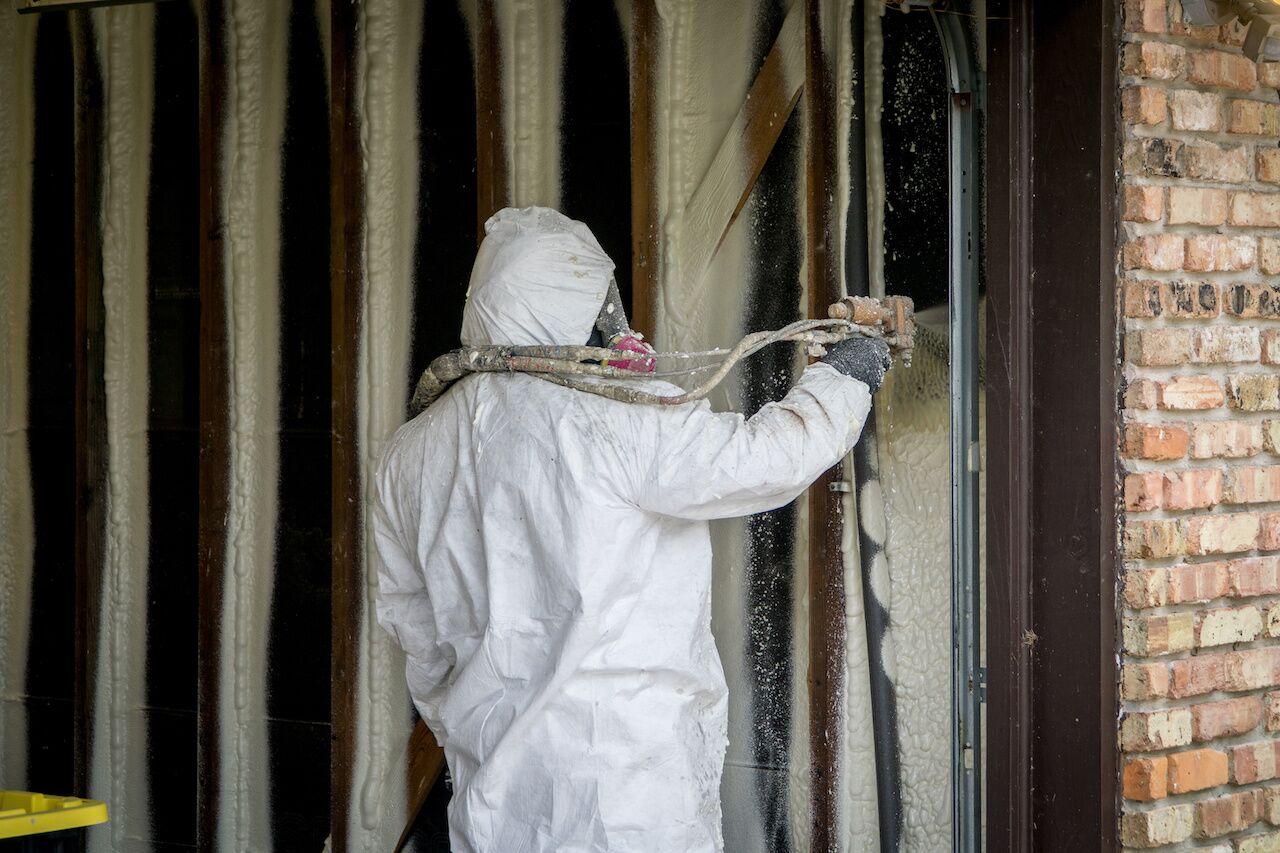
Rim joist, penetrations, vents where the design calls for them to close, and the ground plane. This is the part that changes how the house feels.
Insulate and verify
Closed cell goes on to the quoted depth, access is left intact, and we walk the space with you or send photographs of what was done.
Crawl space questions
What we get asked underneath the house
My floors are cold in winter. Is the crawl space the reason?
Very often, yes, and the rim joist is usually the single biggest contributor. Cold floors are the symptom people call about most, and it is one of the more satisfying ones to fix because the difference is immediate.
Should I close my crawl space vents?
It depends on the strategy. In a sealed and insulated crawl space, open vents defeat the whole design. In a vented assembly they are doing a job. What we will not do is close vents while leaving a moisture source in place, because that makes things worse, not better.
There is a musty smell upstairs. Can insulation fix it?
Insulation alone cannot. Air from the crawl space is reaching your living space, so the smell is a moisture and air-path problem. Sealing and encapsulating addresses the cause. If there is active water intrusion, that has to be dealt with first and we will say so.
Do you insulate the floor or the walls?
Both are legitimate approaches and they solve different problems. Walls plus ground plane, which is encapsulation, brings the crawl space inside the envelope along with your ducts and pipes. Floor insulation leaves it outside. We quote what fits the house and your budget.
Can you work in a tight crawl space?
Usually, and we will tell you honestly on the inspection if clearance, standing water or an obstruction makes an area unworkable rather than discovering it halfway through and leaving it unfinished.
Get your crawl space properly assessed
We will tell you whether this is a moisture job, an insulation job, or both, before you spend anything.
Free written estimates • Moisture assessed first • Inspection access preserved