Home / Services / Injection Foam Insulation
Retrofit without the demolition
Injection Foam Insulation in Springfield, Missouri
An existing finished wall can be insulated without tearing it open. Foam is injected through small access holes, the cavity fills, and the holes are patched.
The Problem Injection Foam Solves
Plenty of Springfield houses were built with little or no wall insulation, and the walls are now finished on both sides. Drywall inside, siding or brick outside. Insulating them the conventional way means opening the wall, which turns an insulation job into a renovation with drywall, tape, texture and paint behind it.
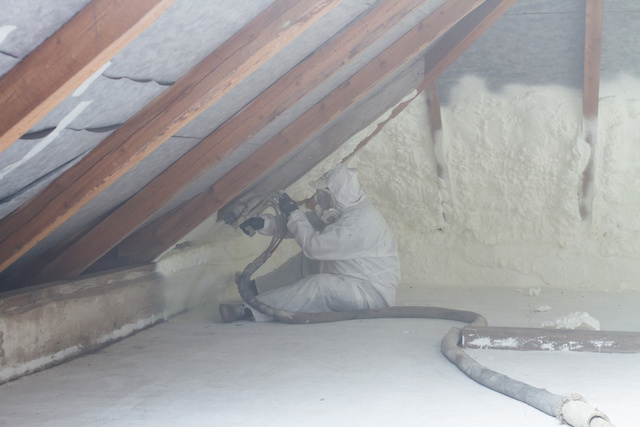
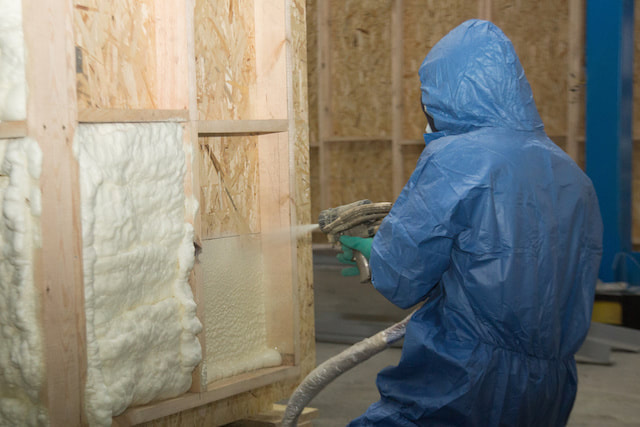
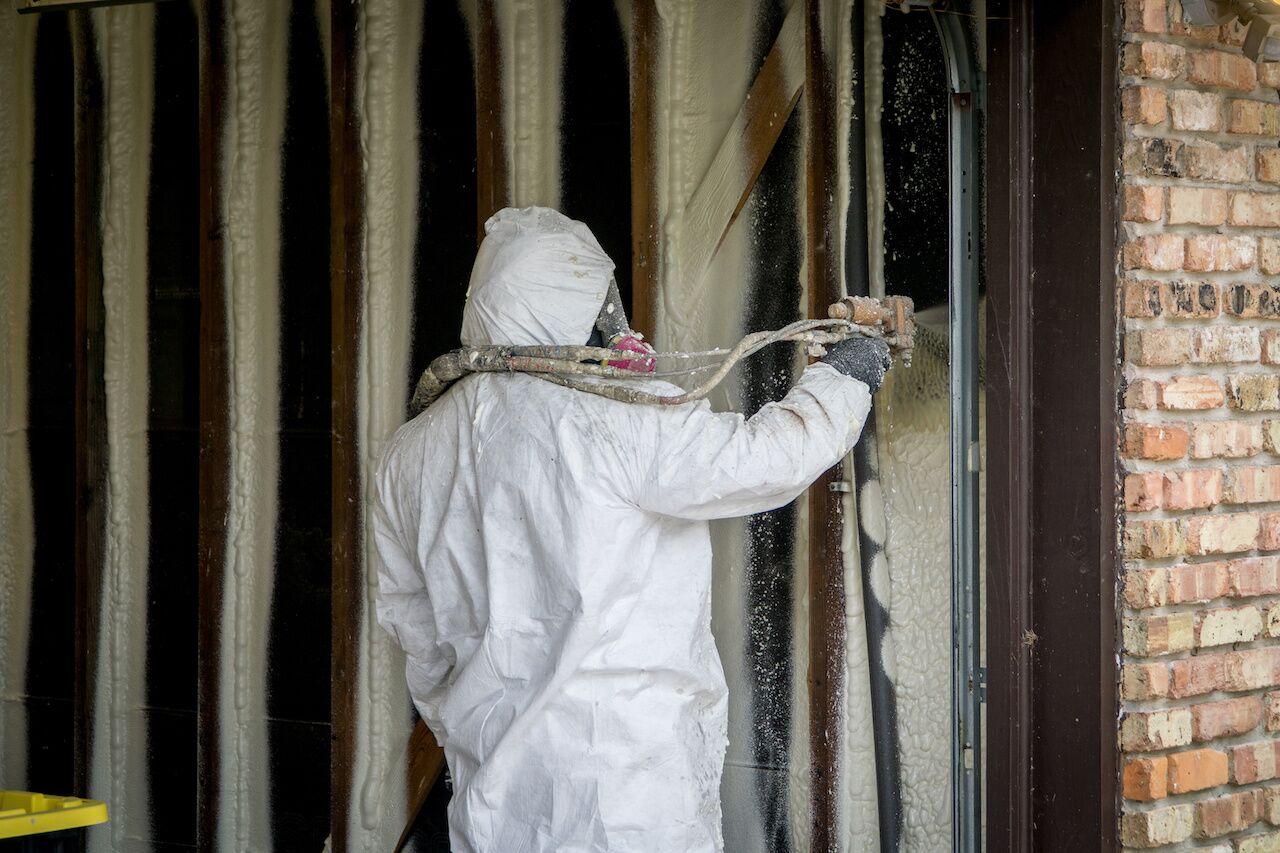
Injection foam avoids that. A pattern of small holes gives access to each stud cavity, foam is injected until the cavity is full, and the holes are patched. The wall stays finished. This is the service people are searching for when they type "drill and fill" — it is the same approach, using foam as the fill.
How We Keep It Honest
Injecting foam into a cavity you cannot see carries a real risk: you cannot visually confirm the fill. So we work from the access pattern outward, inject each bay individually rather than assuming one hole fills a run, and account for the blocking, fire-stops and bracing that interrupt cavities in older framing. A bay with mid-height blocking needs access above and below it, and missing that leaves half a wall empty.
What We Check Before Quoting
What is already in the cavity, because injecting foam on top of wet or compacted old material is not an improvement. Whether there is knob-and-tube or other wiring that must be assessed first. The exterior finish, because patching brick, vinyl, stucco and timber are very different jobs with very different results. Any history of water getting into the wall, since a wall that gets wet needs the water dealt with before it is filled.
If we find a reason this is the wrong method for your wall, we will tell you and quote dense-pack blown-in or a different approach instead.
Ask whether your walls are a candidate: call (417) 815-4045 or request a free estimate.
About the Patching
The part homeowners care about most is what the wall looks like afterwards, and it is fair to be sceptical. Patched holes in painted drywall can be made effectively invisible once repainted. Patches in vinyl or timber siding, where the siding is removed and replaced over the holes, are usually undetectable. Patches in brick or stucco are matched as closely as the material allows but are more likely to remain faintly visible on close inspection.
We will tell you which of those your house is before you commit, rather than promising an invisible finish on a material that cannot deliver one.
Injection foam questions
What people want to know first
Is this the same as drill and fill?
Yes. Drill-and-fill is the common name for the method, and injection foam is the material used for the fill. The alternative fill is dense-packed cellulose, which we also install and which is sometimes the better choice.
Will I be able to see where the holes were?
In painted drywall, effectively no once repainted. Under vinyl or timber siding that is removed and replaced, usually no. In brick or stucco, the patch is matched as closely as the material allows but may stay faintly visible. We tell you which case applies to your wall up front.
How do you know the cavity actually filled?
By injecting each bay individually rather than assuming one hole serves a whole run, and by accounting for blocking and fire-stops that divide cavities in older framing. That is the difference between a wall that is full and a wall that looks full from outside.
Can you do this on a brick house?
Often yes, working through the mortar joints where possible so patching is less visible. Brick needs a closer look before quoting than siding does, and we will assess it on site rather than quoting blind.
Is it worth it on an older house?
If the walls are genuinely empty, it is one of the larger comfort improvements available without renovating. If the walls already hold some insulation in reasonable condition, the gain is smaller and we will say so rather than selling you the job anyway.
Find out if your walls can be filled
We will check what is in the cavity, what your exterior finish allows, and whether this is the right method.
Free written estimates • Patching explained before you commit • No demolition
Related work